Sign In
Breaking
 Free Newsletter

Glenn Polyn//June 30, 2026//
Glenn Polyn//June 30, 2026//


Dogs are natural chewers, and many of today’s treat brands have offerings that provide them with a safe and healthy outlet for their chewing needs. However, one variety of chew appears to be seeing strong growth in independent retail outlets.
Body part chews is an expanding treat category as consumers seek natural treats for their companion animals. Driving the trend is an interest in inventive chews that connect with a dog’s ancestral urges to gnaw while keeping a pet busy for long periods of time.
Dogginstix, a brand that’s made a name for itself when it launched its collection of foot chews, says the dog chew category has evolved significantly from basic treats into a more premium, functional and experience-driven category. Years ago, many consumers mainly looked at price and size. Today, pet parents are much more focused on natural sourcing, digestibility, safety, protein variety, enrichment, and the overall purpose of the chew.
While bully sticks remain one of the strongest and most recognized items in the category. Dogginstix has also seen a strong demand for collagen-based chews, trachea, ears, feet, tendons, and tripe-based products. One of the most important innovations is the shift toward chews that combine function and engagement. Consumers want products that keep dogs busy, support natural chewing behavior, and provide a benefit beyond simply being a treat.
 Lamb-based chews are becoming especially interesting because they offer something different from the more common beef options. Lamb chews have become an important part of the Dogginstix identity because they give retailers a way to offer variety and help pet parents discover chews that feel more unique and premium.
“At Dogginstix, we see strong interest in chews that are not only natural and protein-based, but also visually exciting, unique in shape, and capable of creating a memorable experience for both the dog and the pet parent,” said Ahmet Karagoz, CEO, Dogginstix. “Our SPACE line is a good example of this evolution. Products like our UFO chew bring a more playful, creative approach to a traditional category while still staying true to natural chew principles.”
Brands like Dog Nip and Momentum Carnivore Nutrition agree that protein diversity helps owners provide options for dogs with common allergies.
According to Greg Claypool, President of Dog Nip, protein diversity means three things: a real option for dogs with allergies who may have been overlooked in the chew aisle, the ability to offer protein variety and rotation that benefits any dog, and the ingredient simplicity and sourcing transparency they expect from their own food.
“Millions of dogs have protein allergies and sensitivities, and their owners are actively searching for options their dog hasn’t been exposed to before,” explained Claypool. “Until recently, those owners had few choices in the chew aisle. While the novel protein movement has transformed dog food, the chew category has lagged behind.”
He adds that Dog Nip was created to fill the gap of protein options in the dog chew market. While the novel protein movement had transformed dog food long ago, the natural chew category had seemingly been left behind. Millions of dogs with food sensitivities had pet parents searching for something different in chews, only to find few – if any – offerings on the pet store shelf. Dog Nip, he explains, was built independently to fill a need: sourcing authentic novel proteins, building single-ingredient products around them, and then bringing them to a ready market.
“Goose is a waterfowl — a completely separate antigen class from land poultry, with no cross-reactivity with chicken or turkey,” Claypool noted. “Goat is one of the most digestible red meats on the planet and is already trusted in human functional foods. Camel has essentially zero cross-reactivity history with dogs and is one of the leanest proteins in the animal kingdom. These weren’t chosen because they were exotic — they were chosen because each one solves a problem chicken and beef can’t solve.”
Momentum describes such alternative proteins as lamb, turkey, salmon skin and venison being among the chew varieties that are soaring. The brand adds that different body parts deliver meaningfully different nutritional profiles, and educated retailers can use that to match a chew to a customer’s specific need.
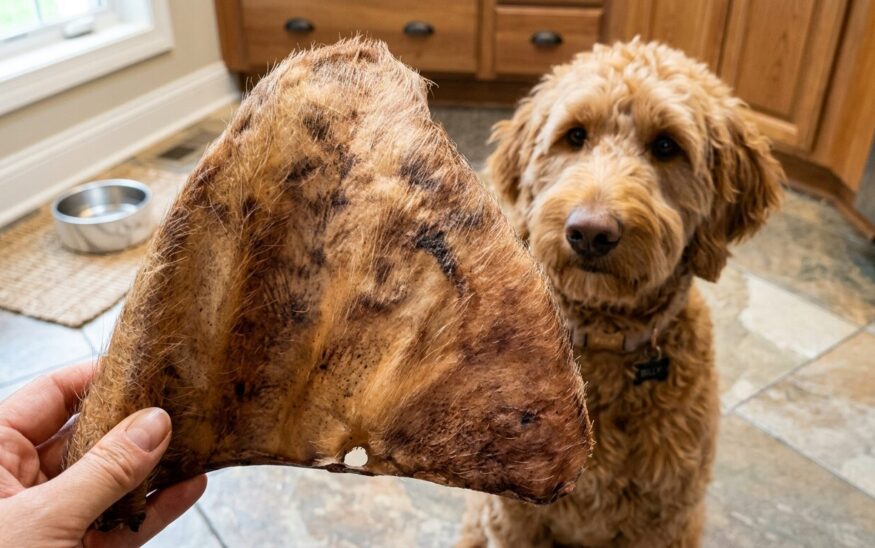
Hairy Pig Ears & Clean Pig Ears: Composed almost entirely of cartilage, naturally rich in glucosamine, chondroitin, and hydroxyproline – a key building block of collagen. The hairy version adds a natural digestive fiber benefit, gently sweeping the intestinal tract. A strong option for joint support and digestive health.
Duck Heads: A true whole prey chew delivering muscle meat, soft digestible bone, cartilage, and duck brain – naturally rich in DHA and EPA omega-3s that support skin, coat, and cognitive health. Duck is also widely regarded as a cooling protein, making it a go-to for dogs with skin sensitivities or inflammation.
Duck Necks & Turkey Necks: Lean muscle meat, soft digestible bone, and cartilage delivering naturally occurring glucosamine, chondroitin, and collagen for joint support. The natural chewing action also promotes dental health by mechanically scraping plaque and tartar.
Bully Sticks: 80-97% protein by composition, fully digestible unlike rawhide, and long-lasting – ideal for mental stimulation and lean muscle support.
Pig Snouts: Higher in hydroxyproline and collagen than pig ears, and leaner – a smart option for dogs who love pork but do better with a lower-fat chew.
Chicken Necks: The smallest poultry neck in our lineup – appropriate for cats, small breeds, and senior pets – while still delivering glucosamine, chondroitin, and naturally occurring omega-3s from the proportionally higher skin content.
Icelandic Fish Chews (Air-Dried): Deliver natural omega-3 fatty acids, lean digestible protein, and natural minerals without any additives or preservatives. As a novel protein sourced from MSC-certified Icelandic waters and processed the same day they’re caught, they’re a strong option for dogs with sensitivities to common land-based proteins and owners who prioritize sourcing transparency.
According to Momentum, today’s consumer isn’t simply grabbing a chew off the shelf – they’re buying a duck head for its novel cooling protein and omega-3-rich brain, or a hairy pig ear specifically for its natural digestive fiber. That kind of ingredient literacy used to be rare. Now it’s driving sales.
Momentum’s air-dried Icelandic fish chews have carved out a loyal following, and they bring a completely different customer to the pet store. Pet parents looking for omega-3 rich, novel protein options for dogs with sensitivities to land-based proteins are discovering that fish chews fill a gap nothing else in the display does. Sourced from sustainably managed Icelandic waters, traceable to the exact fishery, and processed the same day they’re caught – they’re a story that sells itself.
“I’ve watched three major shifts over the years. First, sourcing has expanded far beyond the traditional cow, pig, and chicken parts, with novel proteins following the same path they took in pet food,” explained Greg Perkins, co-owner of Momentum Carnivore Nutrition. “Second, cleaner processing has become the expectation, as premium pet customers have grown more cautious about smoked and heavily processed chews. And third – and perhaps most important for independent retailers – whole prey items like hairy ears, snouts, and heads have moved from feed stores into the premium channel. What was once considered too unconventional for independent pet customers is now being led by high-end independents.”
“What we love about this category is that every chew has a story – a real nutritional reason to exist. When a retailer can walk a customer from ‘my dog has allergies’ to a duck head, or from ‘she’s slowing down’ to a freeze-dried bully stick, that’s not just a sale. That’s a relationship. That’s what independent pet retail does better than anyone,” added Momentum co-owner Liz Schmitt.
Created in 1991, Jones Natural Chews is known for its treats containing no artificial ingredients and promoting an active snacking experience that fights boredom and promotes dental health all while satisfying a dog’s urge to chew. To improve shelf-life, the brand oven bakes its chews with precise heat-controls that also contribute to the preservation and moisture reducing processes.
 Laura Jones, President of Jones Natural Jones, says the collagen chew boom has been the most noteworthy trend over the past few years in the treat sector. The shift in the perception of rawhide has created a gap that many indie stores have chosen to fill with variations of collagen chews. Collagen is an ingredient that most in the industry were well aware of, even if it hadn’t always been previously called out in messaging. In addition, she feels the “ick” factor of many body parts has been reduced by the realization that less processed foods are easier to digest and dogs still love the taste.
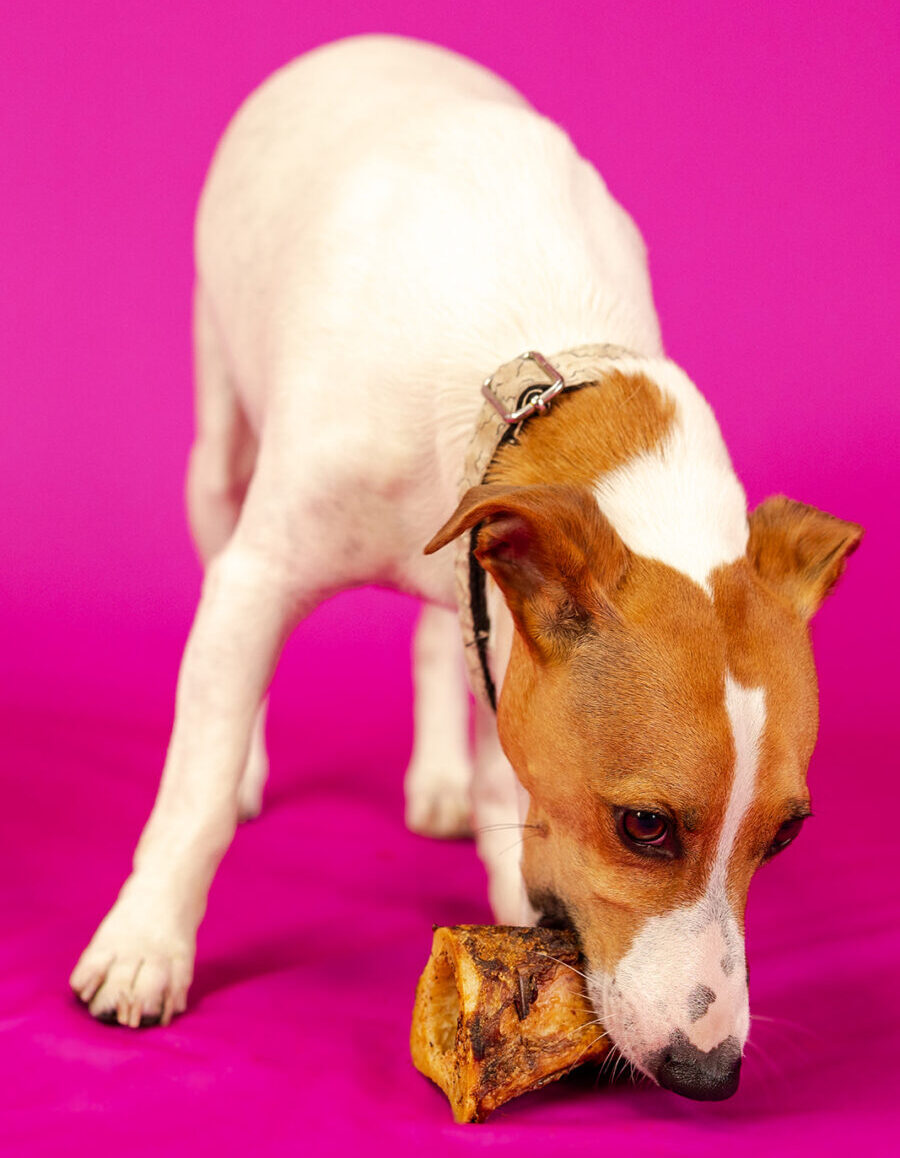
“Our best sellers are beef bones, which are a great option for chewers, Jones noted. Ears and bullies are classics that are digestible and very popular.”
Chewing in general is great for dogs because the gnawing action helps keep their teeth clean, and offering a chew is easier than brushing teeth. Body part chews are also a great way to bring variety into a dog’s diet and treat routine, and that variety is mentally stimulating. There can definitely be added benefits from specific types of chews. Our beef trachea, for example, contain glucosamine and chondroitin – which both support joint health.
“Dog chews are no longer just simple treats. They have become part of a dog’s daily enrichment, wellness, and bonding experience with the pet parent,” said Ahmet Karagoz, CEO, Dogginstix. “At Dogginstix, our goal is to bring innovation, quality, and excitement into a category that has often been treated as a commodity. We believe the future of chews will be driven by natural ingredients, unique proteins, functional benefits, and products that create a real experience for dogs and their owners.”
Dogginstix recommends that retailers should treat body part chews as a destination category, not just an add-on item. They perform best when they are easy to understand, easy to compare and clearly merchandised around the benefits of chews.
“We recommend strong end cap displays, front counter impulse displays for smaller chews, and clear signage that explains the benefits of each chew type, advised Karagoz of Dogginstix. “Retailers can also organize chews by size, chewing strength, protein and function, such as ‘long-lasting,’ ‘dental support,’ ‘high-value reward’ or ‘natural enrichment.’”
For unique products, storytelling is very important. If a chew has a special shape, protein, origin, or usage experience, retailers should highlight that visually. Packaging, shelf talkers, and small educational signs can help pet parents make faster decisions and feel more confident about what they are buying.
Custom chew bars featuring a variety of body parts displayed in buckets, bins or drawers are becoming a popular way of enticing consumers to snatch up such tantalizing treats as bones, tendons, bully sticks and the wildly popular collagen rolls.
All treat brands agree that the chew bar is the single most powerful merchandising tool an independent retailer has, and it’s a place where independents can genuinely out-execute the big box stores.
Natural chews carry high margins, and the most successful chew bars are placed near the entrance or registers to maximize visibility and impulse engagement. Lead with your best sellers front and center, use signage to tell the nutritional story – a small card explaining that duck is a cooling novel protein, or that hairy pig ear hair acts as a digestive fiber, turns a browser into an educated buyer – and make it easy to try with single-chew options before committing to bulk. Sourcing matters to today’s customer, and calling out USA-made prominently on your display is a conversation starter that closes sales.
“We love to see chew bars and are regularly impressed with the creativity that indie stores display,” explained Jones. “Body part chews are often conversation starters, so prime real estate does help store employees facilitate dialogue.”
“Stores who really commit to the chew bar – who keep it fully stocked, competitively priced, rotate new products in regularly, and refresh their signage – are the ones seeing repeat customers week after week,” added Momentum’s Schmitt. “The retailers who really stand out take it a step further by educating pet parents that chewing isn’t just a treat; it’s an important part of overall pet health. And when they encourage customers to rotate proteins and chew types, they’re not just building loyalty – they’re building bigger baskets.”