Sign In
Breaking
 Free Newsletter

Glenn Polyn//May 1, 2026//
Glenn Polyn//May 1, 2026//


They’re creepy and crawly… and they can transmit diseases that pose serious animal and human health risks. By the time you read this, veterinarians say fleas, ticks and other pests that spread disease to pets are already becoming active.
Several tick species can survive the winter cold; thus, they can be active throughout the year. Meanwhile, fleas also are always in season, as they can survive in many environmental conditions, but they’re most active in warm temperatures.
Therefore, exposure to pesty insects is a fact of life for pets, especially those that spend a lot of time outdoors.
According to veterinary experts at Thrive Pet Healthcare, year-round parasite prevention is essential to protect dogs and cats from infections that can cause serious illness.
“Parasites are increasingly becoming a year-round issue,” said Dr. Gerard Ferrick, medical director at Thrive Pet Healthcare in Natick, Massachusetts. “Warmer temperatures are extending parasite activity and expanding where they can live.”
Pets act as vehicles, transporting pests into the home, where they can then bite humans. They also can serve as hosts for diseases, allowing them to thrive and spread. Between 2004 and 2016, more than 640,000 patients came down with diseases transmitted by bites from mosquitoes, ticks and fleas, according to the analysis from the U.S. Centers for Disease Control and Prevention.
Veterinarians say these cases highlight the importance of routine wellness visits and parasite prevention for pets.
“Many parasitic infections develop quietly before pets show any symptoms,” said Dr. Bégin. “Conditions like heartworm disease, intestinal parasites, and tick‑borne illnesses can cause serious damage before they’re detected. With preventive care and routine screening, we can interrupt those disease cycles early, protect vital organ systems, and avoid the serious and sometimes irreversible health complications that parasites can cause.”
Fighting Fleas
Fleas are tiny wingless parasitic insects that feed on the blood of mammals. Though they don’t fly, they are exceptional long jumpers, capable of “flying” 200 times the length of their bodies. They favor biting animals, but if none are close by, human victims will do. Their bites can be quite a nuisance and can lead to skin allergies
Flea allergy dermatitis (FAD) is a sensitivity to flea saliva, and it’s a very common condition in dogs. The saliva from the flea bite is what causes the itching with FAD, not the flea bite. Even without evidence of flea infestation, for dogs with FAD, saliva from just a couple of fleas can make them miserable for weeks.
Fleas can transmit tapeworms, cause cat-scratch disease, and severe infestations can even cause anemia. If you live in an area where fleas thrive, it can seem like a constant battle to keep them under control.
An important caveat: fleas are drawn to weak animals, not healthy pets. So, one of the best defenses against fleas is to feed a balanced, species-appropriate fresh-food diet that keeps your pet’s immune system functioning well. Fleas live in home and yard environments, so using non-toxic yard treatments (including beneficial nematodes and pet-approved cedar oil environmental treatments are a must).
Tick Disease Risks
Ticks are a type of arachnid related to mites, spiders, and scorpions. They’re resilient, and increasingly resistant to pesticides found throughout the US. Because ticks feed on many different animals (humans, dogs, cats, squirrels, mice, opossums, deer and more), and they feed for long periods of time, they’re quite good at acquiring and transmitting diseases, some of which can be life-threatening. Lyme disease and Rocky Mountain spotted fever are among the most well-known.
Tick control is vital, since these bloodsucking parasites can transmit disease to pets and owners. Nearly a dozen tick species are encountered by U.S. dogs and cats. Most are potential disease carriers, transferring diseases as prevalent and concerning as Rocky Mountain spotted fever and Lyme disease.
Unfortunately, a single tick bite can expose your pet to multiple diseases. However, exposure is not the same as infection. In many cases, your pet will be able to fight off tick-borne diseases with no treatment required. Completing QC6 testing confirms whether your dog has been exposed or infected.
Preventing Pests
Fortunately, there are many effective flea and tick preventives on the market to help control the pests and prevent the spread of zoonotic diseases. Knowing what kind of product to use, and how to use it, is critical to the health and safety of a dog or cat. Many are topical products that are applied directly to the pet’s skin, but there are some that are given orally.
Parasite protection is not “one-size-fits-all.” Certain factors affect the type and dose of the product that can be used, including the age, species, breed, lifestyle and health status of each individual pet, as well as medications that the pet is receiving.
Since launching in 2009, Wondercide has been providing plant-powered, lab-proven solutions for those looking for alternatives to conventional pest control products and services. Wondercide’s pest protection lineup is safe around the whole family when used as directed and meets the same standards required for conventional products, harnessing the power of nature to do the job.
Among Wondercide’s most popular products is its Natural Flea, Tick & Mosquito Spray, which takes a natural approach to getting rid of these pests. Instead of hard chemicals, it uses plant-based ingredients to kill fleas, flea eggs and flea larvae upon contact, as well as repel and prevent them, according to the brand. The pet- and people-safe spray also works on ticks and mosquitoes. It’s available in scents like lemongrass, cedarwood, peppermint and rosemary.
The brand also offers a Yard + Garden outdoor pest control spray that is designed to kill and repel ants, fleas, ticks and mosquitoes at every lifecycle stage. This flea & tick spray for yard infestations also eliminates Japanese beetles, crickets and gnats without the use of harmful chemicals. It’s made with three natural yet powerful active ingredients: cedarwood oil, sesame oil, and sodium lauryl sulfate.
Pet retailers can play a vital role in helping to educate their customers about not only the importance of flea and tick prevention, but also the options that are available to them.
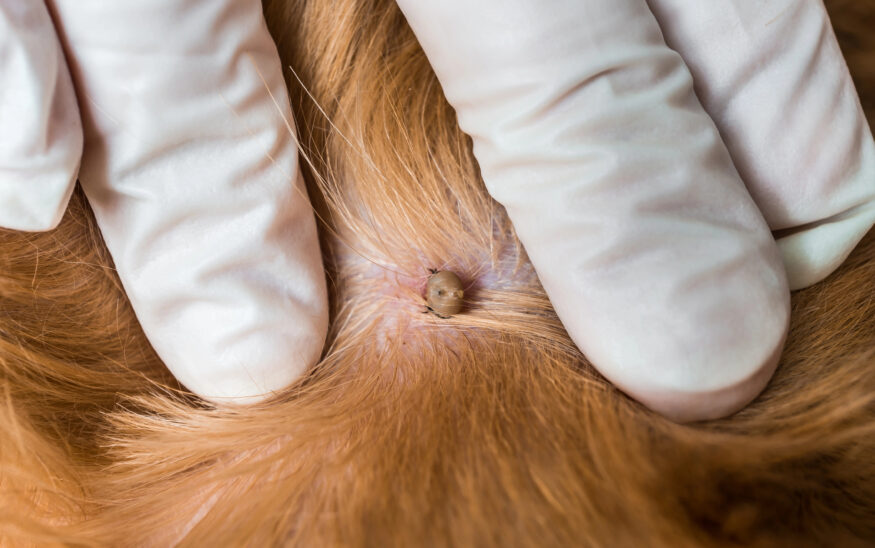
Retailers would also be wise to remind their customers how to properly remove a tick that they discover on their pet. They should never use bare hands because they can become infected by handling or crushing an infected tick.
Gloves are recommended or, even better, they should use a tick-removing tool, such as Big Bite Thing Tick Remover tweezers. These tweezers are specifically designed to overcome the limitations of standard household eyebrow tweezers, which are often not sharp enough for delicate, small-tick removal.
Bug Bite Thing’s specialized, stainless-steel, dual-ended tools are designed to safely remove ticks of all sizes from humans and pets. Featuring fine-tipped tweezers on one end and a slotted scoop on the other, they comply with CDC guidelines for proper tick removal by allowing for a firm, direct pull to prevent tearing or pathogen exposure.