Sign In
Breaking
 Free Newsletter

Pet Age Staff//June 30, 2026//
Pet Age Staff//June 30, 2026//


Heartworm disease may be one of the most misunderstood threats facing pets today, despite being largely preventable.
New claims data from Embrace Pet Insurance found that heartworm diagnosis claims increased 201% between 2020 and 2025, challenging common assumptions about who is at risk and where the disease occurs. Although heartworm has historically been most prevalent in the Southern United States, Embrace data shows diagnoses occurring across regions and throughout the year, suggesting that risk is not limited to traditional hotspots or peak mosquito season.
The data also identified notable growth in several states outside traditional heartworm hotspots, with states such as Illinois, Michigan, Rhode Island, and Maine experiencing substantial increases in heartworm claims.
These findings are consistent with broader industry trends. The American Veterinary Medical Association has reported that heartworm prevalence has increased over the past two decades despite the availability of effective preventive medications. The American Heartworm Society’s 2025 incidence survey found that heartworm continues to spread beyond traditional hotspots, with cases increasingly identified in areas where the disease was historically considered less common.
Heartworm Isn’t Just a Seasonal Concern
Many pet owners associate heartworm risk with peak mosquito season in the warmer months. However, Embrace claims data found heartworm diagnoses occurred year-round, challenging the perception that heartworm is only a seasonal concern and supporting veterinary recommendations for continuous protection rather than seasonal prevention alone.
“This data reinforces what veterinarians see in practice. Heartworm doesn’t depend on where a pet lives, what breed they are, or the time of year,” said Dr. Julie Hunt, veterinary consultant for Embrace Pet Insurance. “Because the disease is so preventable, the biggest risk factor is inconsistent protection. Staying on year-round prevention helps close the gaps that allow heartworm to take hold.”
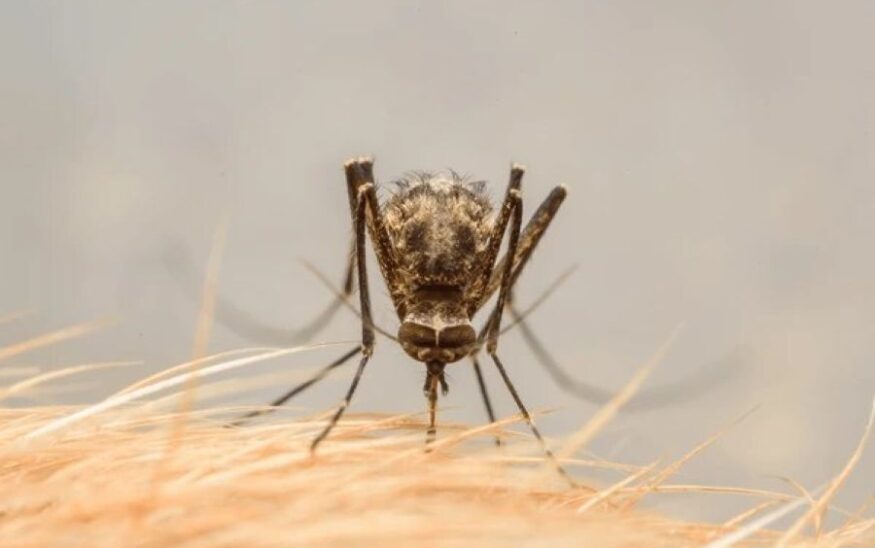
Heartworm disease is transmitted exclusively through the bite of an infected mosquito and can affect both dogs and cats. Once infected, worms can live in the heart, lungs, and associated blood vessels, potentially leading to severe lung disease, heart failure, organ damage, and, in some cases, death. Because symptoms may not appear until the disease has progressed, routine testing and preventive care remain critical.
According to the American Heartworm Society, more than 1 million dogs in the United States are currently infected with heartworm disease.
Heartworm Isn’t Just a Southern Concern
Heartworm has historically been associated with warm, humid states where mosquitoes thrive year-round and transmission seasons tend to be longer. However, Embrace claims data shows diagnoses occurring across a broad geographic footprint, indicating that risk is not confined to historically high-incidence areas.
The American Heartworm Society reports that heartworm disease has been diagnosed in all 50 states, and that recent incidence surveys continue to identify emerging areas of concern outside traditional high-risk regions, meaning no area can be considered entirely risk-free.
Younger Pets Account for Most Cases
Embrace claims data found that 79% of heartworm claims involved pets ages 4 and younger. Young adult dogs represented the largest share of cases, showing that heartworm does not discriminate by age.
Heartworm diagnoses were also reported across a wide range of breeds and sizes, indicating that risk is not limited to a particular type of dog.
Embrace Claims Data Highlights