Sign In
Breaking
 Free Newsletter

Raissa Allaire//April 28, 2026//

Raissa Allaire//April 28, 2026//


At Tree House Humane Society, we think about partnerships a little differently. They’re not nice-to-have. They’re the infrastructure.
Because adoption alone is not success.
Adoption is the starting point, and what happens next determines whether families and cats can stay together and thrive. For cats especially, that post-adoption window matters.
As a field, we’ve made meaningful progress in getting cats into homes. But we don’t always spend enough time focused on what happens next.
A new adopter leaves excited — and then the questions begin:
Without support, those questions can turn into uncertainty. And uncertainty can put strain on the relationship between a person and their pet.
That’s not a failure of the adopter. It’s a signal that we have more work to do as a system.
At Tree House, we’ve built our model around a simple idea: don’t just place cats, support the people who take them home. Because if we’re honest, success isn’t just placement. It’s retention. It’s stability. It’s whether that cat is still in that home six months or a year later — and whether that family feels confident and supported along the way.
Post-adoption support shouldn’t depend on whether someone knows what to Google or who to call. It should be built into the experience — and accessible from the start. That’s why our partnerships are designed to meet people where they are.
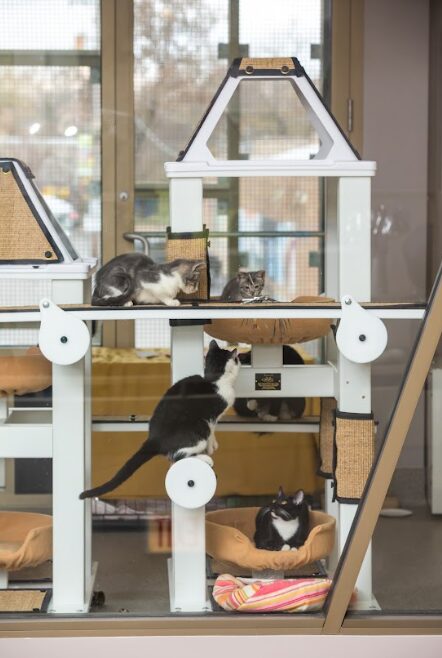 Through VCA Animal Hospitals, adopters receive a free first veterinary exam, helping establish care early. With MetLife, they have access to discounted pet insurance, making it easier to plan ahead. With Purina, every adopter goes home with food, supporting consistency during a time of transition.
We extend that support further with tools like Petivity, which track eating and litter box habits and help surface changes earlier. And through platforms like Petszel, adopters can flag concerns — prompting real-time support and guidance before small issues become bigger challenges.
But we also need to be honest about scale. Most organizations don’t have the staffing to meaningfully support every adopter after they leave, and expecting them to is unrealistic.
This is where AI becomes not just helpful — but necessary. Used well, it can extend care, surface risk earlier, and ensure more families don’t fall through the cracks. We’re already putting this into practice — using AI across our website, call systems, and support services to meet people sooner and more consistently. Not instead of people, but so people can focus where they matter most.
This isn’t about adding extras. It’s about reducing barriers, because access to care shouldn’t begin only when something goes wrong.
One of the challenges in feline care is that cats often show subtle signs when something isn’t right. Changes in eating, behavior, or litter box use can be easy to miss — especially for new pet parents. That’s where thoughtful innovation can help. Tools like Litter-Robot are beginning to offer new ways to understand daily patterns, creating more visibility into a cat’s health and behavior.
I experienced this personally. When I lost my oldest cat, Sulley, the earliest changes showed up in the litter box. That experience reinforced something we see every day in our work: when we can identify changes earlier — and can connect people to care sooner — we improve outcomes.
And more importantly, we help both cats and the people who care for them thrive.
Post-adoption support doesn’t stop at the shelter or online. It has to be local, accessible, and trusted. That’s why partnerships with institutions like the University of Illinois College of Veterinary Medicine and local practices like My Neighborhood Vet are so important.
Our Tree House Veterinary Wellness Center is part of that broader system. We provide high-volume, high-quality, low-cost care — including vaccines, wellness services, and end-of-life support — serving up to 6,000 animals each year. Since launching in 2021, we’ve delivered more than $500,000 in free or discounted care.
We also see referrals from private veterinary practices—an important reflection that this work strengthens the overall ecosystem. Because this isn’t about replacing veterinary care. It’s about expanding access to it. Together, these partnerships help create a bridge between adoption and lifelong care, so pet parents know where to go and feel supported when they get there.
Our approach to care also extends to outdoor and community cats. For these cats, there is no single adoption moment, but there is still a need for continuity, access and support. Through partnerships with animal control, community caregivers, and veterinary providers, we support trap-neuter-return (TNR), vaccination, and ongoing colony care.
This work is grounded in public health, population stabilization and humane care, but it also reflects a broader belief: Care should meet cats where they are.
For community cats, “home” may be a neighborhood or a network of caregivers. And those caregivers — often volunteers and residents — need access to veterinary services, guidance, and trusted partners.
When we design systems that include them, we expand what care looks like, and who it reaches.
Even with strong partnerships and thoughtful systems, people are at the center of this work. Our volunteers and foster network provide critical support — helping adopters navigate the early stages of bringing a cat home, answering questions, and noticing changes.
The same is true for community cat caregivers, who show up every day to care for cats in their neighborhoods. They are not separate from the system. They are essential to it.
Across the pet care ecosystem, expectations are evolving. People are looking for experiences that feel connected, supportive, and accessible — not fragmented. That requires us to think differently about how we define success. If we focus only on placement without investing in what comes next, we risk creating gaps that lead to preventable challenges.
But when we build systems that prioritize access to care — across adoption, community cats, and veterinary support — we create more stability for both cats and the people who care for them.
And that’s where the field has an opportunity to evolve — from a set of individual organizations doing good work, to a coordinated system designed around outcomes.
Adoption isn’t the finish line. It’s the starting point. And if we design our systems accordingly — through partnerships, community and access to care — we don’t just place cats.
We build the conditions for them — and the people who care for them — to thrive.
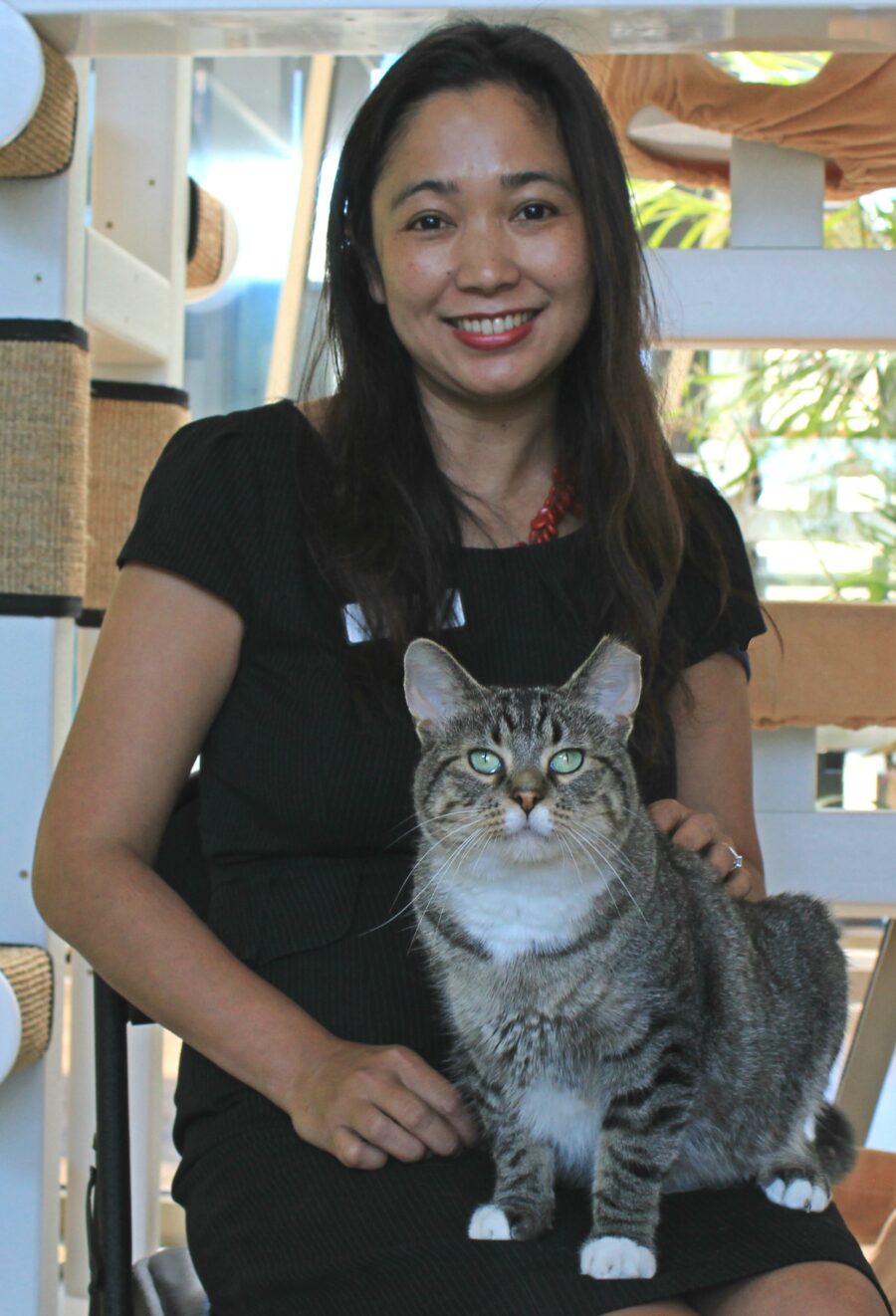 Raissa Allaire is Executive Director of Tree House Humane Society and Board Chair of The Association for Animal Welfare Advancement, with nearly three decades of nonprofit leadership experience.