Sign In
Breaking
 Free Newsletter

Shelby Neely//June 24, 2026//

Shelby Neely//June 24, 2026//


The way pet parents treat their pets has evolved dramatically over the past decade. A perfect example is how we call ourselves “pet parents”; we would never use the word “owners” anymore. And that’s a great thing. There are also refrigerated diets, DNA testing kits, orthopedic beds, GPS collars, pet cameras, supplements, and wellness subscriptions that we wouldn’t have believed possible 20 years ago.
However, this explosion of innovation has overlooked one major group of pets: Senior pets and animals living with chronic disabilities or special needs. The irony is that they are often the pets who need the most support.
I know from repeated experience both with my clients and my own pets that often the largest emotional investment in pet caregiving comes with aging dogs with arthritis, blind senior cats, pets recovering from surgery, or those dealing with degenerative neurologic disease. Caring for a senior or special-needs/chronically disabled pet can establish an emotional relationship between a pet parent and that pet that goes beyond any other human-animal bond you’ll ever know.
However, as you strive to preserve comfort and quality of life, you still struggle to find guidance, products, and preventative support systems for those loved ones. The pet industry still prioritizes young, healthy animals, while weakness, sensory loss, mobility decline, and chronic pain are considered unavoidable endpoints rather than manageable conditions.
That mindset needs to change.
The 13-year-old Golden Retriever, who still wants his morning walk, needs help getting off the sofa, and deserves the same innovation as the 8-month-old puppy.
In veterinary medicine, we routinely emphasize preventive dentistry, vaccination, weight management, and parasite control. But where’s the support for mobility, muscle preservation, balance, functional independence, and cognitive health that’s needed before the pet is already severely compromised?
By the time your dog can no longer get up by itself, has endured major muscle loss from inactivity, or slips repeatedly on hardwood floors, it’s too late. In human medicine, preventive options are increasingly recognized as essential to healthy aging. Veterinary medicine needs to catch up because many age-related declines in our pets can be slowed, managed, or better supported if you start early.
We see the right actions taking place in clinical rehabilitation settings. Targeted low-impact strengthening exercises, balance, and rehabilitation equipment, such as that from FitPaws, emphasize proprioception, core strength, confidence, and mobility maintenance through controlled therapeutic exercise. But what about your pet at home? What about the senior Labrador that has mild hind-end weakness that could be greatly helped by targeted low-impact strengthening exercises, before severe arthritis sets in?
Another example: supportive lifting harnesses are often introduced too late. Products such as the Help ‘Em Up Harness can allow you to help your dog with stairs, standing, walking, and transfers, especially if you start early before you reach a crisis point. Similarly, mobility carts and wheelchairs, such as those from Walkin’ Pets, are often seen as a last resort rather than a quality-of-life tool. And yet these aids can help disabled pets continue to have meaningful, active lives. Pets with spinal injuries, congenital disabilities, amputations, or degenerative myelopathy often can continue to have a strong emotional attachment and enthusiasm for life even without mobility.
Sensory decline is another area where pet parents don’t always realize how adaptable a dog can be in the face of blindness. It’s emotionally difficult to watch your pet start bumping into furniture or navigating your home less confidently, but products like Muffin’s Halo can help your dog navigate its environment. It’s not a cure for blindness, but it increases independence and reduces anxiety for you and your pet.
The tools that rehabilitation veterinarians use daily are largely invisible at the retail level. That is a missed connection between clinical best practice and everyday pet parenting.
Supportive care for senior and disabled pets needs to be viewed as compassionate and worthwhile rather than extraordinary. This is also true for non-pharmaceutical supportive wellness care. Pulsed electromagnetic field (PEMF) therapy is increasingly used in rehabilitation and integrative veterinary medicine. It’s a non-invasive supportive therapy for comfort, mobility, circulation, and recovery. It can help many senior pets living with chronic stiffness, discomfort, and inflammation who do not yet require aggressive medication. Respond Animal Therapeutics is another example of how the pet industry is beginning to offer wellness technologies that are intended for long-term supportive care rather than crisis intervention.
None of the products mentioned should be seen as miracle solutions. But they are tools that can greatly improve your pet’s quality of life over the long term.
Caregiver fatigue, just as in the human world, is a reality for pet caregivers. Families managing blindness, cognitive dysfunction, medication schedules, mobility assistance, incontinence, or chronic disease experience real physical and emotional strain. But the pet industry markets heavily toward healthy puppies, athletic dogs, and convenience products without offering comparatively long-term caregiving support. If you look at advertising campaigns, educational materials, packaging, and retail merchandising, you will often not see senior pets.
That’s unfortunate, however, because pets are living longer than ever due to advances in veterinary medicine. There’s an expanding population of dogs and cats that are living with manageable chronic conditions that can benefit greatly from support. This doesn’t mean just selling products. Educating pet parents earlier about senior or disabled pet issues, such as muscle preservation, mobility monitoring, weight management, environmental safety, cognitive enrichment, and adaptive support, should be encouraged by veterinarians, trainers, rehabilitation professionals, and, of course, manufacturers and retailers.
Preventive care for seniors is also highly beneficial, although it may be defined a bit differently than for younger pets. Sometimes it means doing rehab exercises before severe weakness develops, adding traction rugs before the dog starts falling, or introducing a harness before your pet can no longer climb the stairs. Instead of waiting for obvious suffering, we need to learn to recognize subtle discomfort early.
In practice, I have seen senior dogs become more confident because they can finally stand without slipping; I have seen disabled pets continue hiking with mobility carts; I have seen owners break down in tears of joy after realizing blindness did not mean their dog’s life was over.
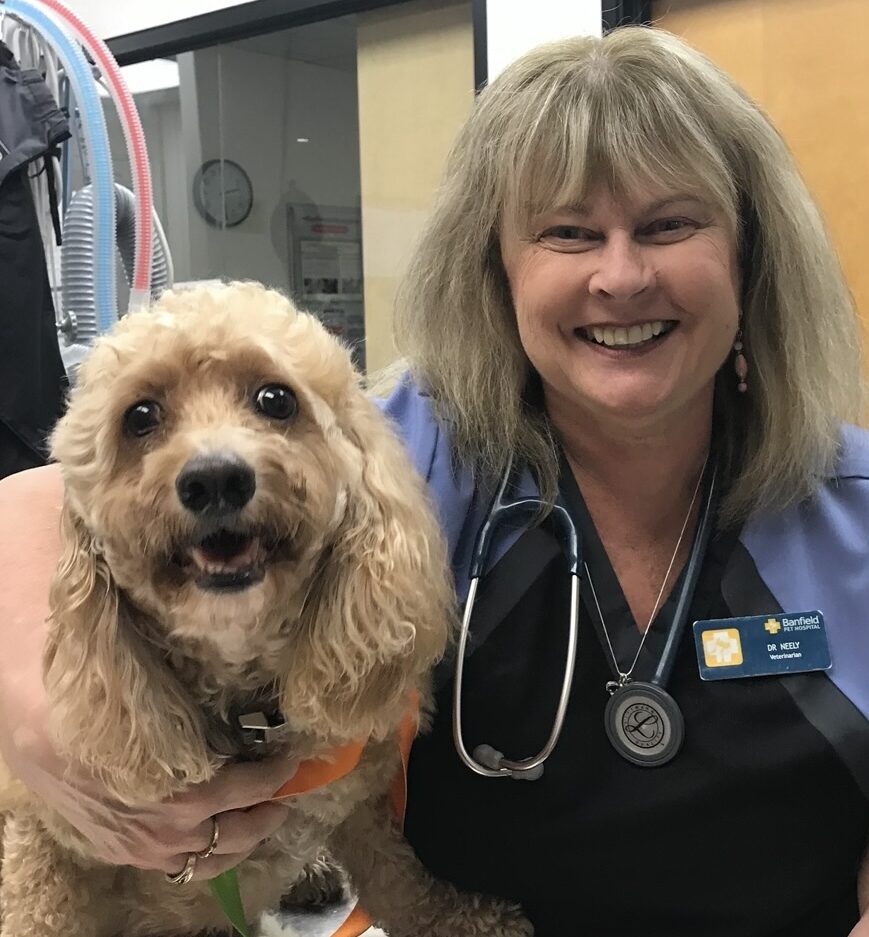 Dr. Shelby Neely, VMD, is a Penn graduate and licensed veterinarian with 30 years of experience in companion animal health.